

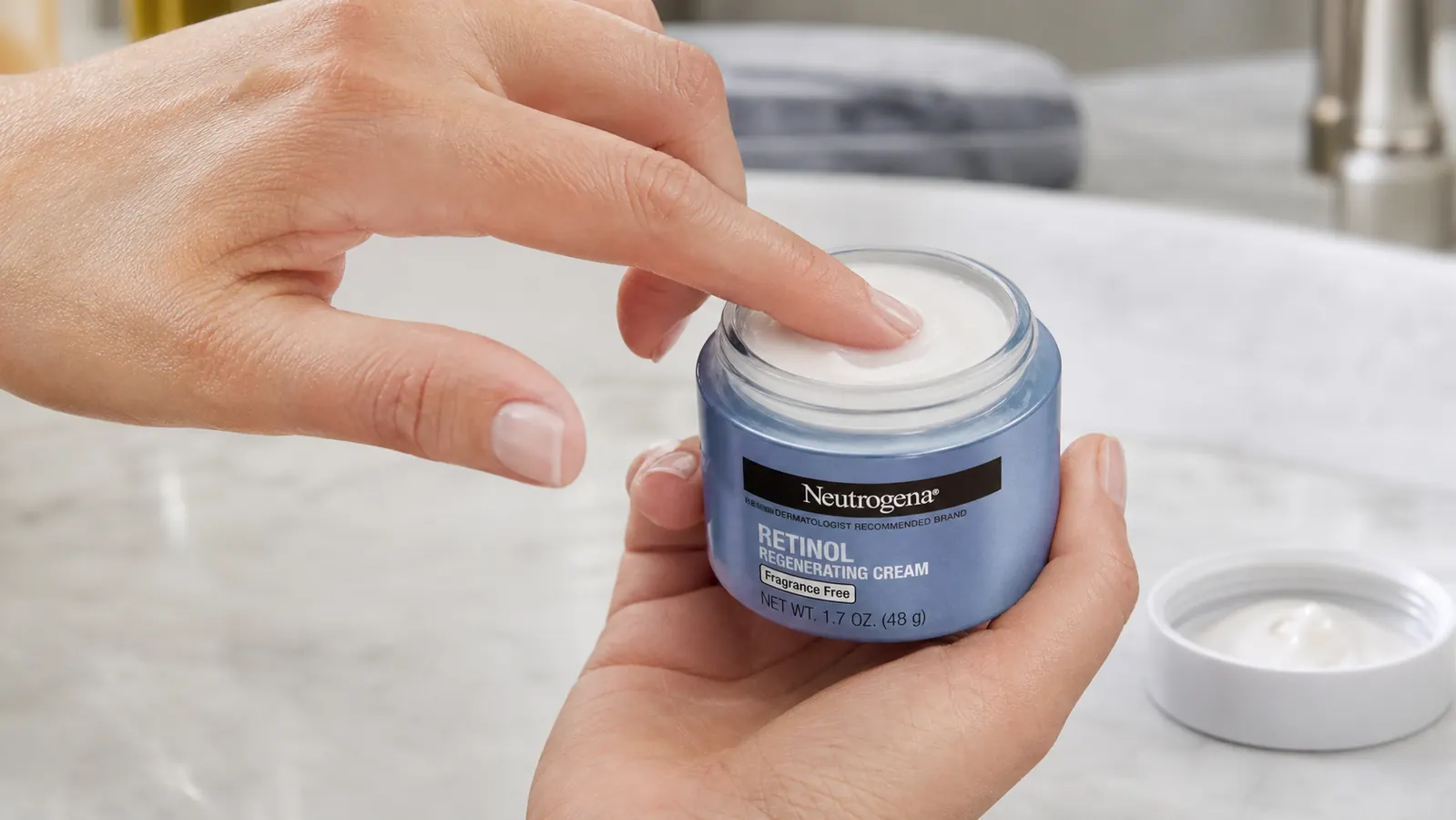
The box on my jar of Neutrogena Rapid Wrinkle Repair says, in fairly small print near the bottom, that you'll see visibly smoother skin in one week. I stood in the skincare aisle at my local Rite Aid last October, read that line twice, and thought, sure, we'll see. I'm 49, I've worked behind a pharmacy counter for eleven years watching people buy every wrinkle cream that comes through that store, and I finally decided it was time I actually tried one myself instead of just ringing them up for other people. I picked this one because it was the cheapest retinol on the shelf that wasn't a store brand, and because at $24.97 I wasn't risking much if the one-week promise turned out to be exactly what it sounded like, a marketing line.
Four months later I'm still using it, so this isn't a review from someone bitter about wasting twenty five dollars. But I also spent those four months reading the ingredient label more carefully than I read most things, comparing it to the identical-sounding jar two aisles over at CVS, and paying attention to the parts of the packaging and the reviews that the marketing conveniently glosses over. This is the honest version, the stuff that doesn't fit on the front of a box.
The Quick Verdict
A decent everyday retinol once you ignore the one-week promise on the box. The real timeline and the jar packaging are the two things worth knowing before you buy.
Amazon Check Today's Price →The Box Says One Week. Here's What Actually Happens.
See today's price on the jar I'm still restocking, four months and counting.
Amazon Check Today's Price on Amazon →How I Tested It
I didn't do anything fancy. Cleanser, ten minutes to let my skin dry completely, then a thin layer over my whole face except right around my eyes and the corners of my mouth, three nights a week for the first three weeks, then nightly after that once my skin stopped complaining. I kept a note on my phone, not a spreadsheet, just a running log of what my skin looked and felt like each week, because I wanted to check the box's one-week claim against something more honest than my own memory, which tends to want results to be real.
I also did something most reviews skip. I went back and read through roughly eighty of the one and two star reviews on Amazon, out of the 34,000-plus this jar has, specifically looking for patterns instead of quoting the two loudest complaints. That reading changed how I used it and what I expected going in, and I'll get into what I found further down.
I tested it through an Ohio winter and into a humid Ohio summer, because a lot of reviews only cover a few weeks in one season, and this cream behaves differently depending on how dry the air already is. In January it left a slightly tacky film for the first few minutes after application. By July, in more humid air, it sank in almost immediately. That's not a flaw exactly, just something the box doesn't mention and a first-time buyer should go in expecting.
I also took a photo under the same bathroom light every Sunday morning, same distance, same angle, mostly because I didn't trust myself to remember accurately once a few months had gone by. Looking back at that folder now is more useful than any single mirror check, since it's the only record that isn't colored by how tired or blotchy I happened to feel that particular day. A few of the earliest photos genuinely look worse than my baseline shot, which is a detail no marketing claim is going to volunteer.
The One-Week Claim, Tested Honestly
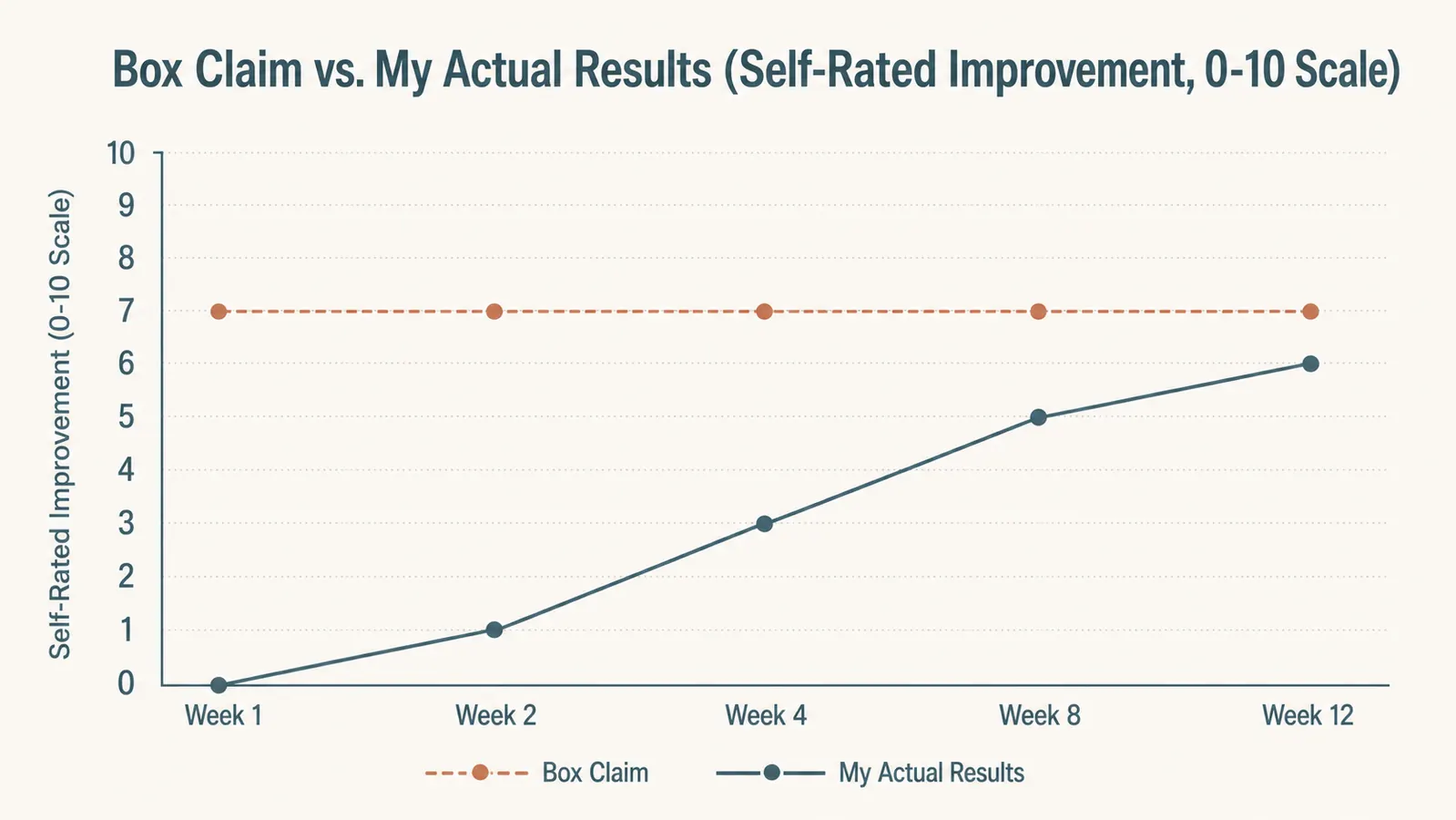
Here's what actually happened on my own skin, tracked week by week instead of trusting a memory that wants a $25 jar to work fast. At the one week mark I saw nothing. Not subtle, not if you squint, nothing I could point to in a photo. My skin was, if anything, slightly pink and dry from the retinol still adjusting, which is close to the opposite of the smooth glow the box implies you'll see by then.
By week two I'd log a small improvement, mostly in how my skin caught light in the bathroom mirror rather than any specific line looking different. Real, visible softening in the appearance of the fine lines around my eyes didn't show up in my own notes until somewhere around week eight, and it kept inching forward through week twelve. That's not a knock on whether the product works, it clearly does something over time. It's a knock on a marketing claim that sets an expectation a gentle over-the-counter formula was never built to deliver that fast, not without a much higher concentration than this jar uses.
I plotted my own week-by-week ratings against what the box implies in the chart below, and the gap between the two lines is, honestly, the whole review in one picture.
The Jar Problem Nobody Mentions
This is the part I never see covered in a review, and it matters more than people think. Retinol breaks down when it's exposed to air and light, that's basic chemistry, and it's exactly why most serious retinol products come in a pump or an opaque squeeze tube instead of an open jar. This product comes in a jar. Every time I unscrew that lid, I'm exposing whatever's left in there to air, and every time I scoop a fingertip in, I'm introducing whatever's on my hand to the rest of the jar.
I can't measure exactly how much potency that costs by the time I'm scraping the bottom of a jar in month two, no home test kit is going to give me an honest number on that. What I can tell you is that the cream noticeably thinned and yellowed slightly in the last couple weeks of each jar compared to how it looked fresh, which is at least a visible sign that something in the formula shifts with exposure. If Neutrogena is engineering a slower-release retinol to cut down on irritation, which the ingredient name suggests, packaging it in an open jar seems to work against some of that same engineering. That tradeoff isn't printed anywhere on the box.
If you buy this one, a small cosmetic spatula instead of your fingertip, and keeping the jar in a dark cabinet instead of on a windowsill or a steamy shower ledge, is a cheap way to protect whatever potency you can.
I did the math on price per ounce out of curiosity, comparing this jar to a couple of pump-dispensed retinol products at a nearby beauty counter. Ounce for ounce, the pump versions ran noticeably higher, which makes sense given the packaging and marketing behind them, but it also means the fair comparison isn't just this jar against a $68 serum, it's this jar's real cost per usable ounce against something with better packaging at a closer price point. I don't think that math changes the verdict here, the jar is still the more practical everyday choice for most people, but it's a comparison the box front never invites you to make.
Reading Past the Ingredient Marketing
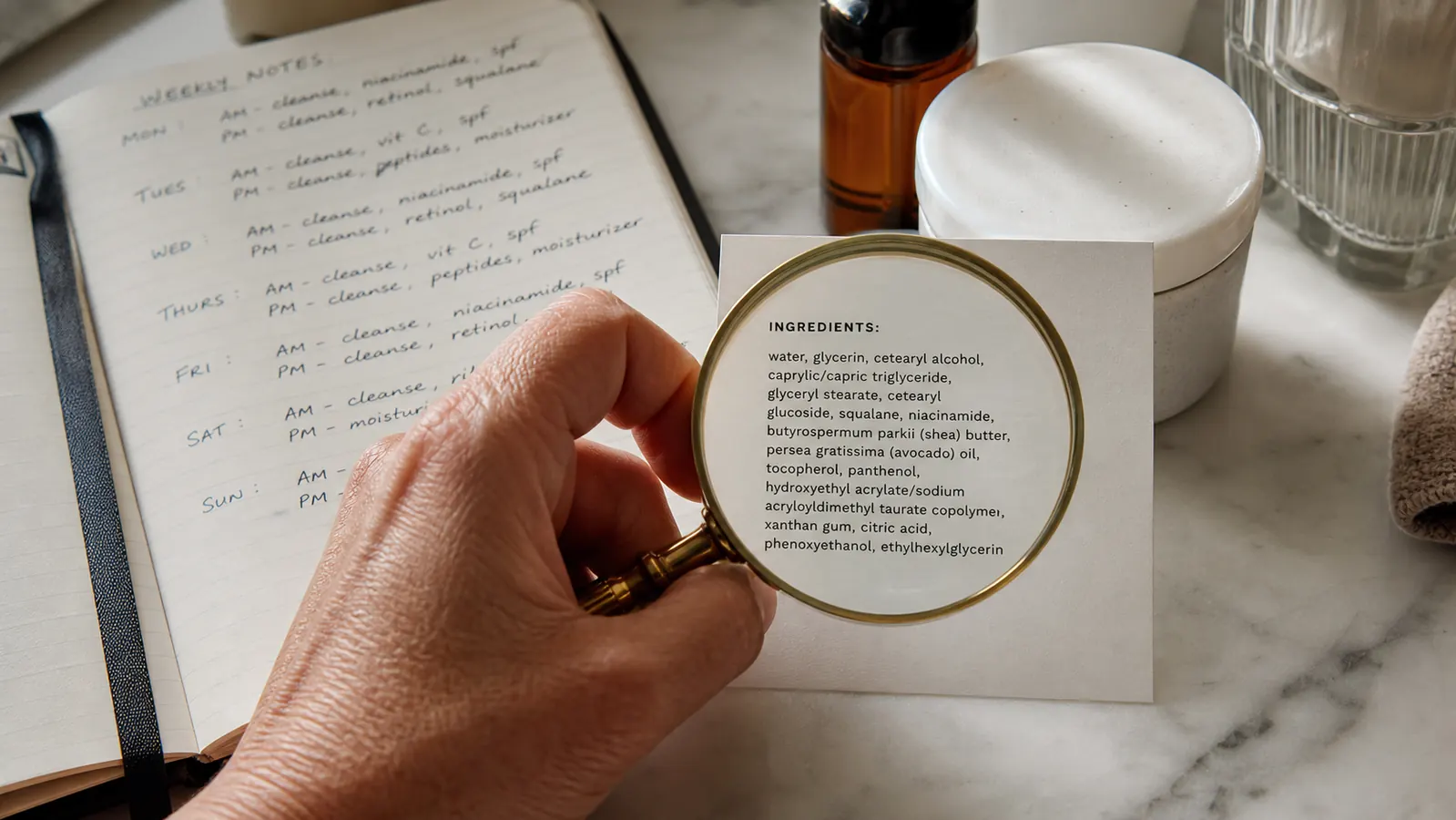
The formula's headline ingredient has a name, accelerated retinol SA, that sounds like it's exclusive to this product. It isn't a made-up marketing term exactly, it does describe a real delivery approach meant to release retinol more gradually into skin. But SA-style delivery systems for retinol show up under different branded names across several drugstore lines, so you're not getting some singular breakthrough that only Neutrogena has access to. You're getting one company's version of an approach that's fairly common at this price tier.
The label also lists fragrance, plainly, a few ingredients down. That surprised me, because the marketing language on the box leans hard into dermatologist-recommended, clinical positioning, and I had quietly assumed fragrance-free without actually checking. If you're someone who reacts to fragrance, and plenty of retinol users already have a compromised skin barrier from the retinol itself, that's worth knowing before the jar is already open on your counter, not after your face starts stinging in a way that isn't just the usual retinol adjustment.
I laid the full ingredient list side by side with a comparable RoC formula in a separate breakdown if you want the exact overlap, see my Neutrogena versus RoC comparison for the ingredient-by-ingredient list. The short version is the overlap is bigger than either brand's marketing wants you to notice.
What the Reviews Don't Show You
A 4.4 star rating across 34,000-plus reviews looks close to unanimous at a glance, and Amazon's default sort buries most of the critical reviews under the most-helpful positive ones. When I actually filtered to one and two stars, a pattern showed up that the average hides: a meaningful share of the complaints came from people who started nightly on day one instead of ramping up slowly, which is exactly what the small print on the box warns against. Their skin reacted badly, they assumed the product was defective or too harsh, and they left a review before giving it the slower runway it's built for.
A smaller but real thread in those reviews described batch inconsistency, a texture that felt thinner or thicker than a previous jar with the same box design. I only noticed a mild version of that between my second and third jar, thinner on the third, but I can't fully rule out that I was just applying a little less by then out of habit. Either way, it's a real pattern worth reading before you assume every jar behaves exactly the same as the last one.
I also noticed the price isn't as fixed as the twenty-five-dollar drugstore retinol framing implies. It's crept a few dollars up and down at different retailers depending on when I checked, so it's worth comparing today's price rather than assuming it's locked at whatever number a review happens to quote.
One more pattern from the reviews I dug through: a handful of the most detailed one-star write-ups came from people who'd been using a prescription-strength retinol before switching to this one and expected the same intensity at a fraction of the price. That's not really a fair test of this product, prescription tretinoin and an over-the-counter retinol are working at different strengths entirely, but it does explain some of the harsher one-star write-ups that otherwise seem to contradict the mostly positive average.
What I Liked
- Genuinely inexpensive compared to prescription-strength or boutique retinol serums
- The slower-release delivery system does appear to ease some of the worst early irritation compared to a plain retinol
- Widely available, easy to replace at almost any drugstore
- Layers fine under a heavier moisturizer on nights dry skin needs it
- The eighty-plus one-star reviews I read mostly trace back to skipping the ramp-up, not a broken product
Where It Falls Short
- The 'visible in one week' claim on the box does not match a realistic timeline for most first-time users
- Jar packaging exposes the retinol to air and hand contact every time you open it
- Contains fragrance despite a clinical, dermatologist-forward presentation
- Texture seems to shift slightly between the start and end of a jar
- Price isn't as fixed as a lot of reviews imply, worth checking before you buy
The box sold me a week. My own log said two months. That gap between the promise and the timeline is the actual review, everything else is just details.
Who This Is For
This is a reasonable pick if you want a retinol you can actually afford to keep buying, and if you're the kind of person who reads instructions and is willing to ramp up slowly instead of holding the box's one-week promise as a real deadline. It's a solid starter retinol if you've never used one before and want to see how your skin handles the category before spending more. If you already know fragrance doesn't bother your skin and you're not chasing fast results, the honest four-month timeline here is a fair trade for the price.
Who Should Skip It
If fragrance in a facial product bothers your skin, this one has it, and the marketing doesn't make that obvious on first glance, so read the actual ingredient panel before buying rather than the front of the box. If you're the type who wants to see a difference by the date printed on the packaging, you'll likely be disappointed and quit around week three, right before the real changes tend to start showing up in most people's skin. And if jar packaging bothers you on principle, a pump or tube retinol will protect the formula better over the life of the product, even if it costs more upfront. As always, if you're pregnant, nursing, or dealing with reactive or compromised skin, talk to a dermatologist before adding any retinol into your routine rather than testing it on your own. For a look at how this product plays out as an everyday long-term routine rather than a marketing claims audit, I wrote about that separately in my six months with this jar story, a friendlier read if you're past the skepticism stage and just want to know what living with it actually looks like.
Skip the One-Week Promise, See the Real Price Instead
Here's the jar I'm still restocking, at today's price, no marketing gap included.
Amazon Check Today's Price on Amazon →